First Year of Caregiving Challenges: Work, Costs and Support
Caregiving doesn’t pause the rest of life; it presses into work, finances, relationships and the hours meant for rest. The first year of caregiving challenges often includes coordinating care while trying to keep everyday responsibilities afloat. In the United States, 70 percent of working-age caregivers are in the workforce, so the tension between earning a living and providing support is a real part of family caregiving.
If you’re finding each day harder to manage than expected, that doesn’t mean you’re failing. Caregiving can bring financial strain, emotional exhaustion, and difficult decisions about housing, healthcare, and respite, sometimes before a family has found its footing. Naming these pressures can help you start addressing them.
This article covers common challenges family caregivers face, how work and personal life can collide, and why costs may extend beyond direct care expenses. It also looks at healthcare coordination, community services, and respite, with practical ways to identify where support may fit as circumstances change.
Table of Contents
Financial strain from reduced work hours or leaving a job
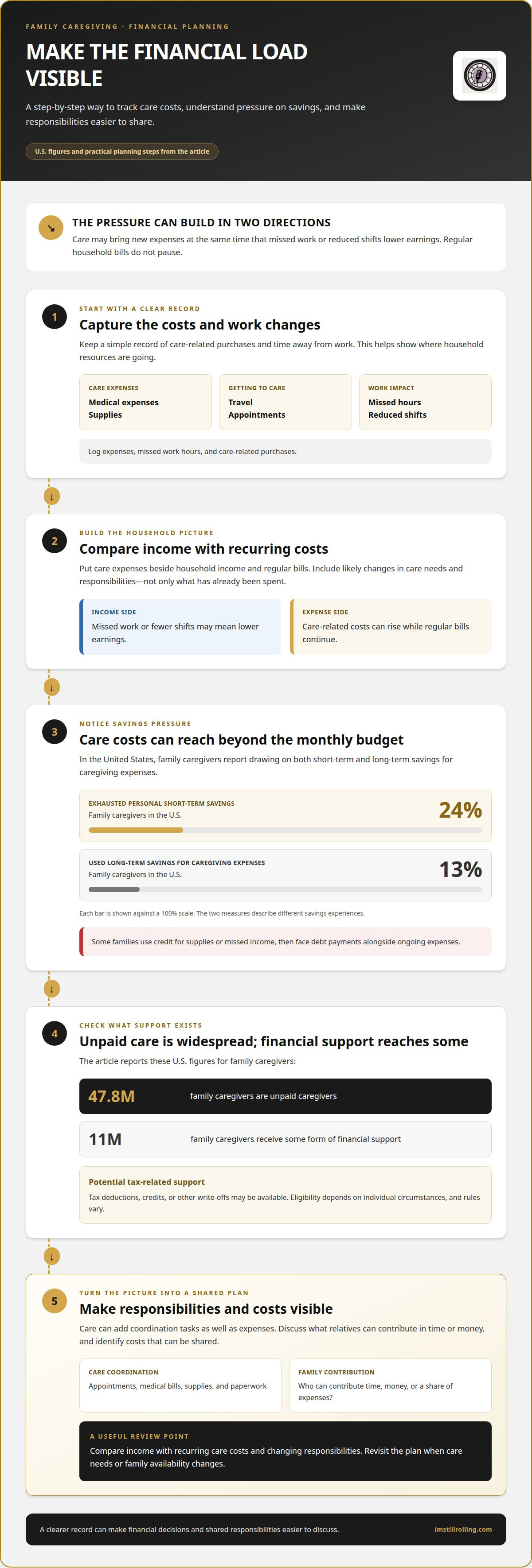
Caregiving can reduce income just as household expenses rise. The first year of caregiving challenges may include missed work, new purchases, and unfamiliar costs. Medical expenses, supplies, travel, and unpaid time away from work can all add up. A caregiver who cuts shifts to attend appointments may lose earnings while still having regular bills to pay.
The pressure can deepen when care needs grow. In the United States, 24 percent of family caregivers have exhausted personal short-term savings, while 13 percent have used long-term savings for caregiving expenses. These figures show how care costs can reach beyond the monthly budget. A family might use credit to cover supplies or missed income, then face debt payments alongside continuing expenses.
Unpaid care is widespread, but financial support reaches only some households. In the United States, 47.8 million family caregivers are unpaid caregivers, while 11 million receive some form of financial support. That support can make a difference, yet caregivers still need to account for both direct expenses and lost wages. Tax deductions, credits or other write-offs may be available, but rules vary.
Care also brings responsibilities relatives may not feel prepared to handle. A family member might coordinate appointments, organize medical bills, track supplies, or help a loved one understand paperwork. When care needs change, these tasks can quickly expand. Keep a simple record of expenses, missed work hours, and care-related purchases to give the family a clearer picture of the financial load.
Planning for the first year of caregiving challenges means comparing income with recurring care costs and likely changes in responsibilities. Consider the strain of ongoing financial decisions, not just the figures. Discuss which relatives can contribute time or money, and identify expenses that can be shared. A clear view of the pressure can help families make decisions with fewer surprises.
What Are the Challenges Faced By Family Caregivers?
Family conflict can grow when relatives disagree about care, costs or who should take responsibility. The strain can be especially sharp when one person handles appointments while another lives nearby but contributes little. In the United States, 29 percent of family caregivers are simultaneously caring for children and adults, adding competing needs to already crowded days. A calm family discussion can clarify what each person can realistically do, including errands, meal preparation, transportation or regular check-ins.
Support groups and community programs can offer practical advice and help caregivers feel less isolated. Some programs provide direct assistance, such as meal delivery or respite care. Local organizations may also explain what services are available and how to access them. A support group offers space to discuss the demands of caring for a loved one with people who understand, while a community service may help with a specific task.
What financial assistance and tax benefits are available to family caregivers? Some caregivers receive financial support, and eligible caregivers may qualify for tax deductions, credits, or other write-offs. Tax rules vary, so available benefits depend on the caregiver’s circumstances and applicable rules.
To create a care plan, list the person’s daily needs, appointments, and household responsibilities, then assign each task to a family member. For example, one adult could coordinate appointments, another handle grocery delivery, and a third provide regular companionship. A written schedule makes responsibilities visible and can reveal gaps before they become crises.
Caregiver support needs change as health and family circumstances shift. Review the plan when appointments increase, a family member’s availability changes, or respite becomes necessary. Programs and organizations can help fill practical gaps, but families also need room to discuss emotional strain and disagreements. Agreeing on who does what and when to revisit the plan makes support more concrete for everyone.
Housing, healthcare, community services and respite
Care needs can make an ordinary home difficult to navigate. A narrow doorway, steep stairs, or bathroom without enough room to assist can complicate daily routines. Identify which tasks are becoming harder, such as bathing or moving safely from the bedroom to the kitchen. Housing decisions may involve adapting the current home, moving closer to family, or considering residential care as needs change.
Healthcare coordination adds another layer. Keep appointment dates, medication details, and questions in a shared record, and bring it to visits. For example, noting changes in sleep or mobility can help the care team understand what has changed between appointments. When several services are involved, one family point person can track follow-ups and share updates with relatives.
The physical effects deserve attention, too. In the United States, 60 percent of caregivers say caregiving negatively affects their physical health. A third of family caregivers report their own health as fair or poor, while 20 percent report fair or poor health directly attributable to caregiving responsibilities. These measures describe different experiences, but each points to the physical weight of sustained care.
Transportation can make healthcare harder to access. A relative who needs help getting into a car may need more time and coordination than a routine trip allows. Map the appointment location, travel time, mobility needs, and who can provide a ride. If appointments are close together, consider whether scheduling them on the same day is practical.
Community services and respite can help bridge the gap between family capacity and daily needs. Respite provides a planned break from care, while community support may help with specific routines. List the tasks that are hardest to sustain, such as supervision during an appointment or taking a break after a demanding week. This makes conversations about support more focused. Include caregiver wellbeing in the plan, especially when sleep problems, fatigue, or ongoing physical strain arise.
Balancing caregiving with work and personal life
Work and care often compete for the same hours. In the United States, 70 percent of working-age caregivers are in the workforce. A medical appointment can interrupt a shift; a late-night change in care can leave someone tired at work. The overlap can feel overwhelming when work deadlines, household responsibilities and a loved one’s needs arrive together.
Family caregivers provide an average of 18 hours of care every week. That time may include appointment coordination, meals or help with daily routines, alongside paid work and personal commitments. Treat care hours as real calendar commitments, not as open time. A weekly calendar can reveal collisions early, such as a recurring appointment scheduled during a work meeting.
Practical boundaries can make the schedule more manageable. Set a time to review care messages, protect essential work hours, and identify tasks that can wait. A daily priority list can separate urgent needs from routine ones. For example, a medication pickup may need attention today, while a nonurgent household errand can wait. Revisit the list when care needs or work demands change.
In the United States, start by reviewing employer leave policies and applicable government guidance, then discuss schedule adjustments and leave options. Which protections apply depends on the worker’s situation and the rules that apply.
Personal time also needs a place in the plan. Schedule regular breaks, protect time for rest, and make room for nourishing meals. A short walk after work or a quiet meal away from caregiving duties can create a meaningful pause. Ask family members to cover a specific task when assistance is needed, rather than waiting until exhaustion makes the request harder. For a human perspective on care and resilience, listen to candid caregiving stories.
I'm Still Rolling Podcast
I'm Still Rolling Podcast features candid conversations about caregiving, disability, and life after adversity. When family care feels isolating or difficult to explain, guests’ stories can offer perspective while recognizing that listening is not a substitute for practical or professional support.
Explore I'm Still Rolling Podcast Episodes for personal stories of resilience, read the I'm Still Rolling Newsletter for thoughtful updates, or use Podcast Transcripts to follow conversations in writing. Each offers a way to engage with lived experiences at your own pace, whether you’re looking for recognition or a starting point for a conversation with family.
To learn more or share a question, contact I'm Still Rolling Podcast.
Make Room for the Next Step
The first year of caregiving challenges can change how a family understands time, responsibility, and what support means. You don’t have to solve everything at once. Choose one manageable next step: talk with someone who can share a responsibility, make room for rest, or listen to stories that help you feel less alone.
Caregiving can be demanding without becoming the whole story of your life or your relationship with the person you love. Hearing people speak honestly about resilience and adversity can offer perspective grounded in lived experience rather than easy answers. Let that perspective meet you where you are, whether you need a moment of recognition or a starting point for a conversation.
If you’d like to continue that conversation, contact I'm Still Rolling Podcast. Take the next step at your own pace, and remember that asking for support is part of caring, too.
Frequently Asked Questions
What are the most common challenges in the first year of caregiving?
Common challenges include learning unfamiliar care routines, adjusting family roles, and making decisions with incomplete information. A loved one’s needs may change, so a plan that worked last month might need revision. Keep a short record of new tasks, questions, and changes in routine. This can help caregivers spot patterns and explain what is becoming difficult during family conversations or appointments.
How does caregiving affect physical and mental health during the first year?
Caregiving can disrupt sleep, reduce time for movement or meals, and contribute to stress, sadness, anxiety, or guilt. Frequent nighttime interruptions, for example, may make it harder to concentrate the next day. Notice changes in your sleep, mood, energy, and ability to focus. If distress persists or feels unmanageable, talk with a healthcare professional about what you’re experiencing and what support may help.
What are the average out-of-pocket costs of caregiving in the United States?
Costs can include medical expenses, supplies, transportation, and other care-related purchases. Track receipts and note which expenses recur, such as continence supplies or travel to appointments. A written record can show where household spending is going.
How can new caregivers find respite care and local support services?
Start by listing the specific help needed, such as meal delivery, a few hours of supervision, or someone to cover an appointment. Then contact community organizations or local programs and describe those needs directly. Ask what services they provide, who can access them, and how arrangements work. Naming the task makes it easier to identify whether a program offers a relevant form of respite.
What training do first-time caregivers need for daily care and medical tasks?
Training depends on the tasks involved. Someone helping with meals may need different instruction from someone assisting with bathing, mobility, or medication routines. Ask the care team to demonstrate unfamiliar tasks, then repeat the steps while they observe. Keep written instructions somewhere accessible, including what the task involves and whom to contact with questions about changes.
What are the warning signs of caregiver burnout, and how can it be prevented?
Persistent fatigue, hopelessness, and irritability can signal caregiver burnout. Other signs may include losing interest in usual activities or struggling to concentrate on routine decisions. Start by noticing changes early and making support concrete: schedule breaks, share a specific task, or attend a support group. Regular rest, nourishing meals, and short walks can also add structure to demanding care routines.



Comments