Physical Disability Stories of Resilience: A Journalistic Deep Dive into Life After Adversity
Resilience isn't a superpower reserved for the extraordinary; it's a messy, quiet, and deeply human process of reconstruction that happens long after the initial crisis fades. When you're managing the aftermath of a life-altering diagnosis, the world often expects you to be a hero or a tragedy, leaving very little room for the complex reality of just being a person. You might feel trapped in a perpetual medical phase, where your identity is reduced to a series of symptoms and appointments. Finding authentic physical disability stories of resilience becomes essential during these times, not for hollow inspiration, but to see a reflection of your own grit in the lives of others.
It's understandable to worry that a major physical change marks the end of your personal evolution. We've spent years as journalists documenting these transitions, and we've learned that the truth is far more nuanced than the superficial tropes suggest. This deep dive promises to reveal the true anatomy of resilience through a blend of rigorous reporting and raw, lived experience. We'll examine the psychological stages of adaptation and offer a roadmap for reframing your own narrative. By the end, you'll understand how to move past the clinical labels to find a community that truly understands the weight and the beauty of the journey ahead.
Table of Contents
Redefining Resilience: What It Means to Live with a Physical Disability in 2026
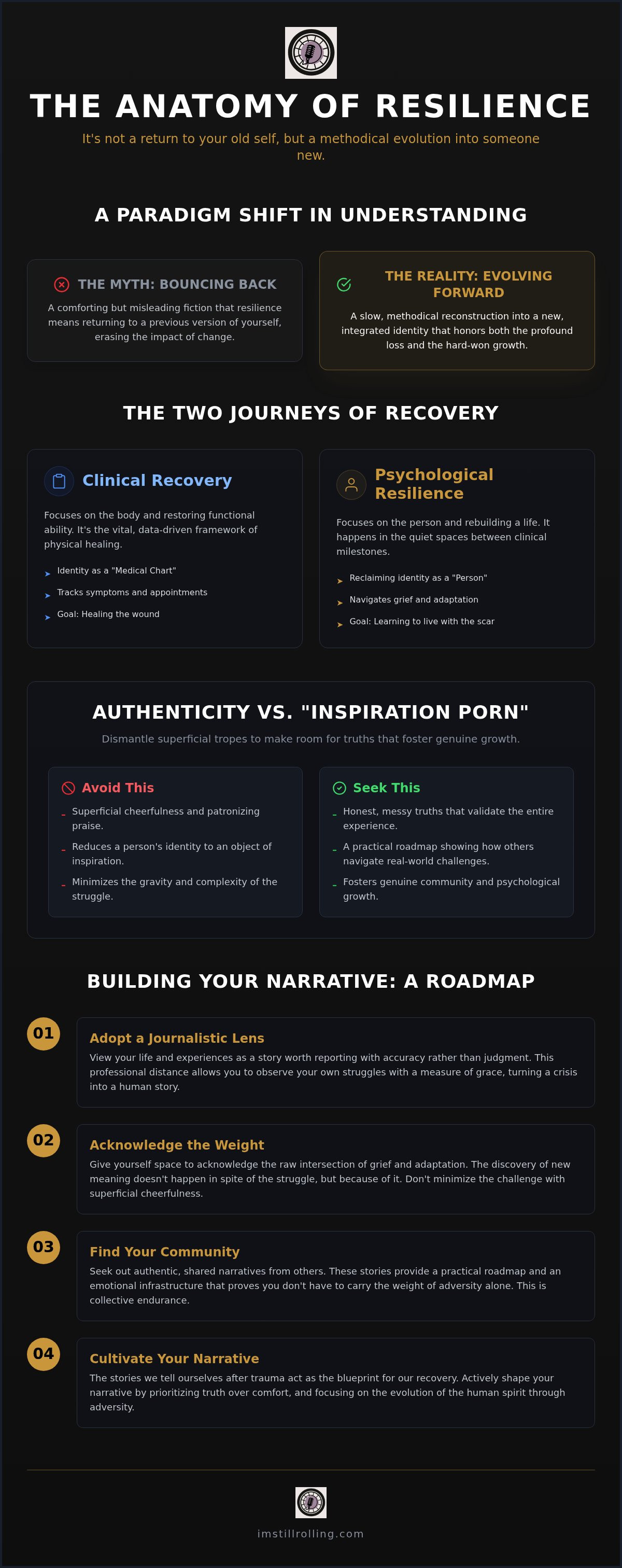
The idea that one simply "bounces back" from a life-altering event is a comforting fiction we tell ourselves to avoid the weight of true change. In reality, resilience is a slow, often grueling evolution that requires us to dismantle our old lives before we can build anything new. By 2026, our collective understanding of disability has shifted away from purely medical models toward a more holistic view of endurance. While Physical medicine and rehabilitation provides the vital framework for restoring functional ability, the psychological work of rebuilding a life happens in the quiet spaces between appointments. This is where physical disability stories of resilience take root, proving that survival is not about returning to a previous version of yourself, but about forging a new, integrated identity that honors both the loss and the growth.
Clinical recovery focuses on the body, but psychological resilience focuses on the person. It's the difference between a wound healing and a person learning how to live with the scar. In 2026, we require a new vocabulary for this process. We need words that describe the grit it takes to navigate a world that isn't always built for us, and the "realistic optimism" required to keep moving forward when the path is unclear. This isn't about blind hope; it's about a grounded, soulful connection to one's own capacity for transformation.
Resilience as a Narrative Process
The stories we tell ourselves after a trauma act as the blueprint for our recovery. If we view our lives through a journalistic lens, we begin to see our experiences as a series of events worth reporting with accuracy rather than judgment. This professional distance allows us to observe our own struggles with a measure of grace, turning a medical crisis into a human story. By 2026 standards, resilience is an active reporting of the human spirit that prioritizes truth over comfort.
The Emotional Landscape of Living with Physical Disability
Living with a physical disability requires an unflinching look at hardship. We don't need pity or patronizing praise; we need a space to acknowledge the raw intersection of grief and adaptation. Authentic physical disability stories of resilience serve as a mirror for this internal work, validating the messy parts of recovery that are often ignored in mainstream media. The discovery of new meaning doesn't happen in spite of the struggle, but because of it. Journalistic rigor helps us document these transitions with the respect they deserve, ensuring that the gravity of the challenge is never minimized by superficial cheerfulness.
The Anatomy of Endurance: Common Themes in Stories of Resilience
The medical chart is a cold, clinical document. It tracks heart rates and nerve responses, but it fails to capture the soul's response to catastrophe. True endurance begins when the hospital doors close and the real world opens. In our journalistic deep dives, we've found that physical disability stories of resilience share a common architecture. It starts with the jarring transition from being a "case" to being a neighbor, a spouse, or an employee again. This period is less about medical milestones and more about the quiet, daily reclamation of identity.
Analyzing spinal cord injury recovery stories reveals a consistent pattern. There is a specific moment where clinical data meets the curb of a sidewalk or the height of a kitchen counter. These shared experiences act as a roadmap for others who are just beginning their journey, providing a sense of community that the medical system often lacks. It's in these shared narratives that we find the blueprints for a life rebuilt.
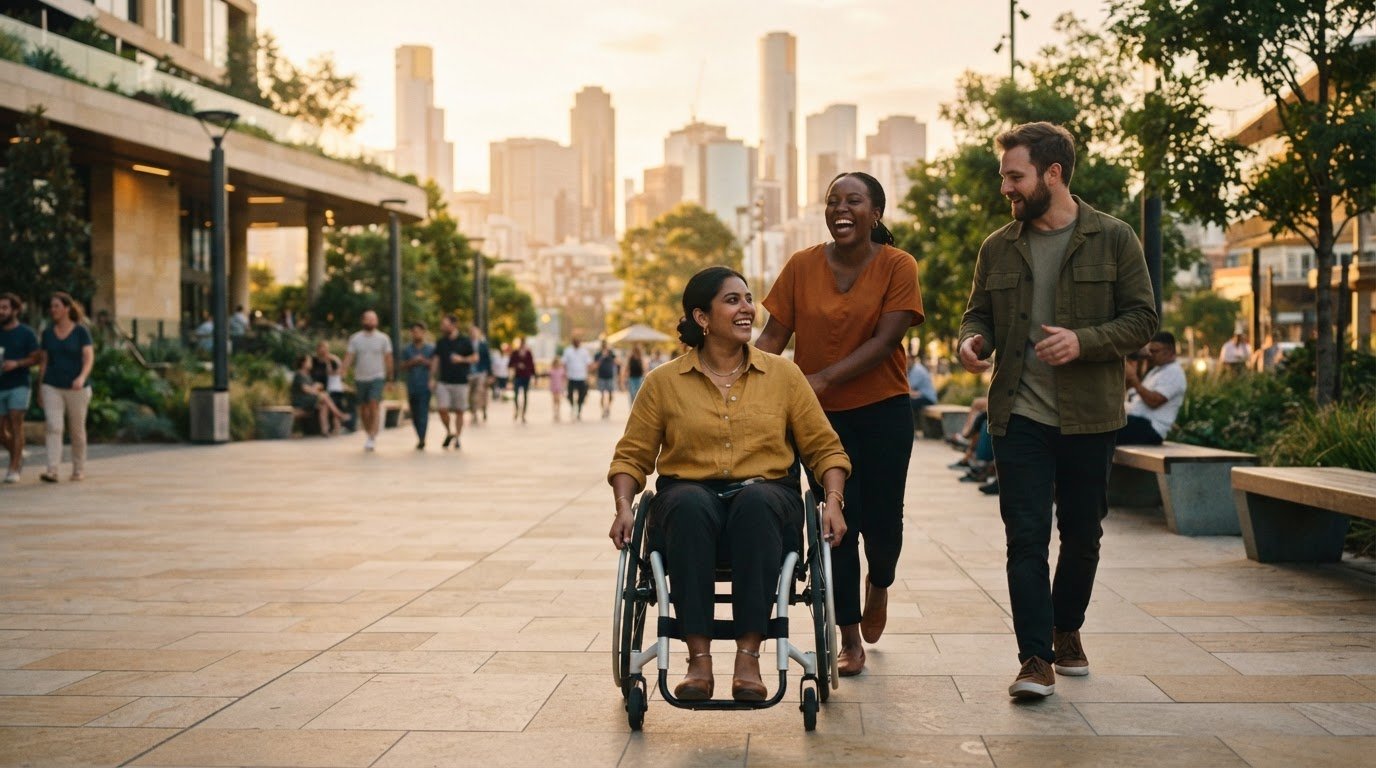
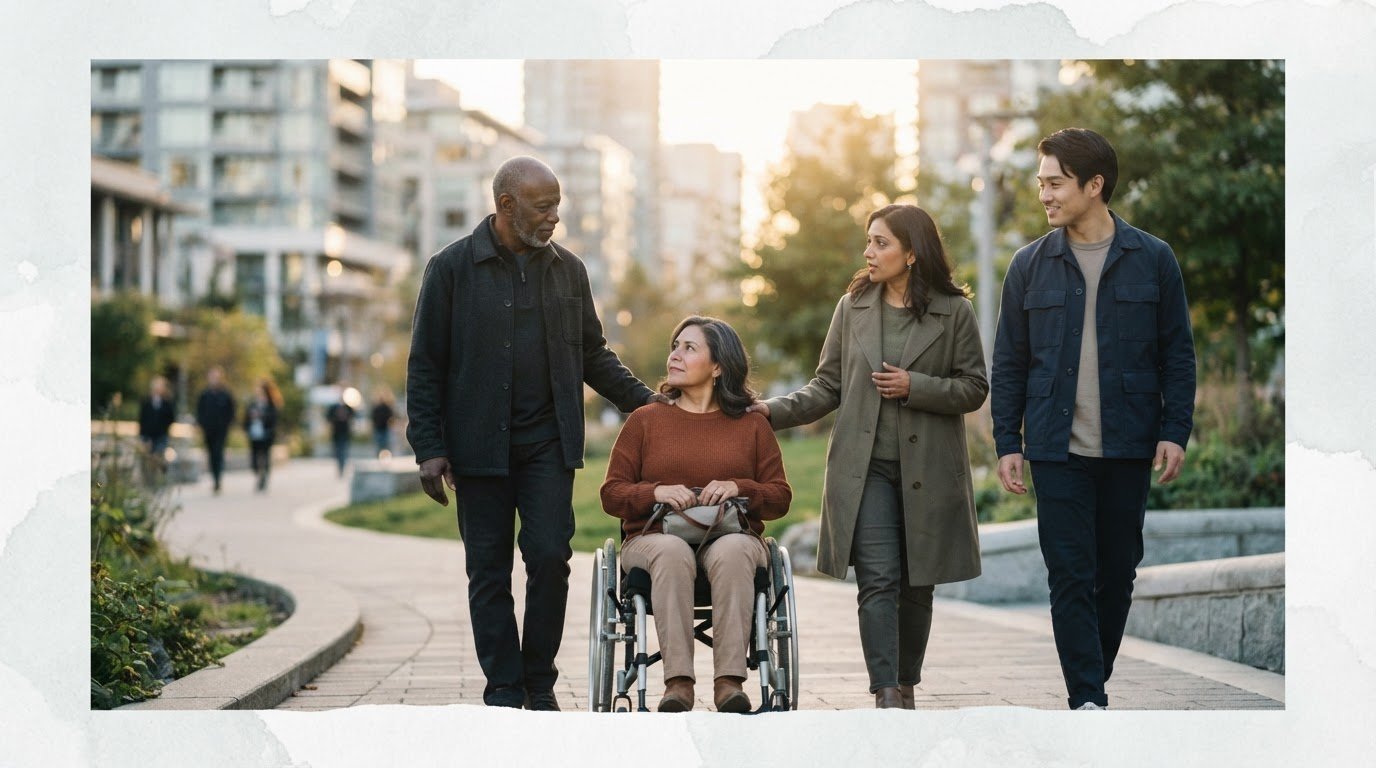
To truly cultivate resilience, individuals often rely on a delicate balance of internal grit and external support. Grit gets you through the morning exercises. Community support provides the emotional infrastructure for the years ahead. It's a collective endurance that proves we don't have to carry the weight of adversity alone. By examining these patterns, we can see that resilience isn't a solo performance but a collaborative effort.
Navigating the 'New Normal' Phase
The first six months following a diagnosis are often the most volatile. We've explored the importance of navigating a new disability during those initial months. It's a period defined by the psychological shift from being a "patient" to becoming a person who happens to have a disability. Long-form interviews allow us to see the subtle ways people adapt. These unhurried conversations reveal how resilience is found in the small details, like relearning a favorite hobby or finding new ways to express intimacy.
From Medical Trauma to Personal Advocacy
Resilience isn't just about personal survival; it's often the catalyst for systemic change. Many of the most powerful physical disability stories of resilience end with the individual turning their gaze outward. They move from healing their own trauma to fighting for the rights of others. This transition from internal recovery to external advocacy bridges the gap between individual pain and universal truths about accessibility. If you want to hear these stories told with the depth they deserve, you can find more in the I'm Still Rolling Podcast.
Dismantling the 'Inspiration' Trope: Authenticity vs. Inspiration Porn
"Inspiration porn" is a term that describes the commodification of disability for the emotional benefit of a non-disabled audience. It frames everyday activities as extraordinary simply because they're performed by someone with a physical limitation. This trope is harmful. It ignores the systemic barriers and internal complexities of the individual, reducing them to a prop for motivation. To truly understand physical disability stories of resilience, we must look past these sanitized images. Journalistic rigor requires us to lean into the messy truths, the days where no progress is made, and the quiet frustrations that don't make it into a thirty-second news clip.
Research into family stories of resilience suggests that the most meaningful narratives are those that capture the full spectrum of the human experience. When we report on wheelchair life challenges, we aren't looking for a success story in the traditional sense. We're looking for the reality of navigating a world that often treats accessibility as an afterthought. Authenticity is found in the grit of the daily grind, not in a manufactured moment of triumph. Identifying whether a story is a prop or a platform depends on whose voice is prioritized and whether the struggle is acknowledged with honesty.
The Danger of the 'Heroic' Narrative
The cultural pressure to be heroic or fearless creates an impossible standard that often leads to survivor and caregiver burnout. When we force individuals into the role of a hero, we strip away their right to be vulnerable, exhausted, or angry. True resilience isn't the absence of these feelings; it's the ability to integrate them into a coherent life story. At the I'm Still Rolling Podcast, we prioritize raw, lived intimacy over these tired tropes. We believe that acknowledging the weight of the struggle is the only way to find genuine hope.
Reporting on the Reality of Disability
Reporting on disability requires a blend of professional authority and empathetic listening. It's about observing the emotional shift that happens when a person moves from a life of physical ease to one of constant adaptation. This shift is profound. It deserves more than a superficial summary. Realistic optimism acts as the necessary antidote to 'inspiration porn' by acknowledging the weight of the struggle while simultaneously seeking a path forward. By focusing on the heart of the story rather than the optics, we can move beyond the chair and explore the universal truths of the human condition.
Building Your Narrative: How to Cultivate Resilience
Cultivating endurance is a deliberate act of construction. It doesn't happen by accident, and it certainly doesn't happen by ignoring the reality of your situation. The first step in this process is acknowledging the gravity of your physical change without the burden of judgment. You aren't failing because you're struggling; you're simply adjusting to a new set of facts. Once you've accepted the baseline, the next phase involves seeking out authentic physical disability stories of resilience that mirror your specific struggle. These narratives serve as proof that a meaningful life is still possible, even if it looks vastly different than what you once imagined.
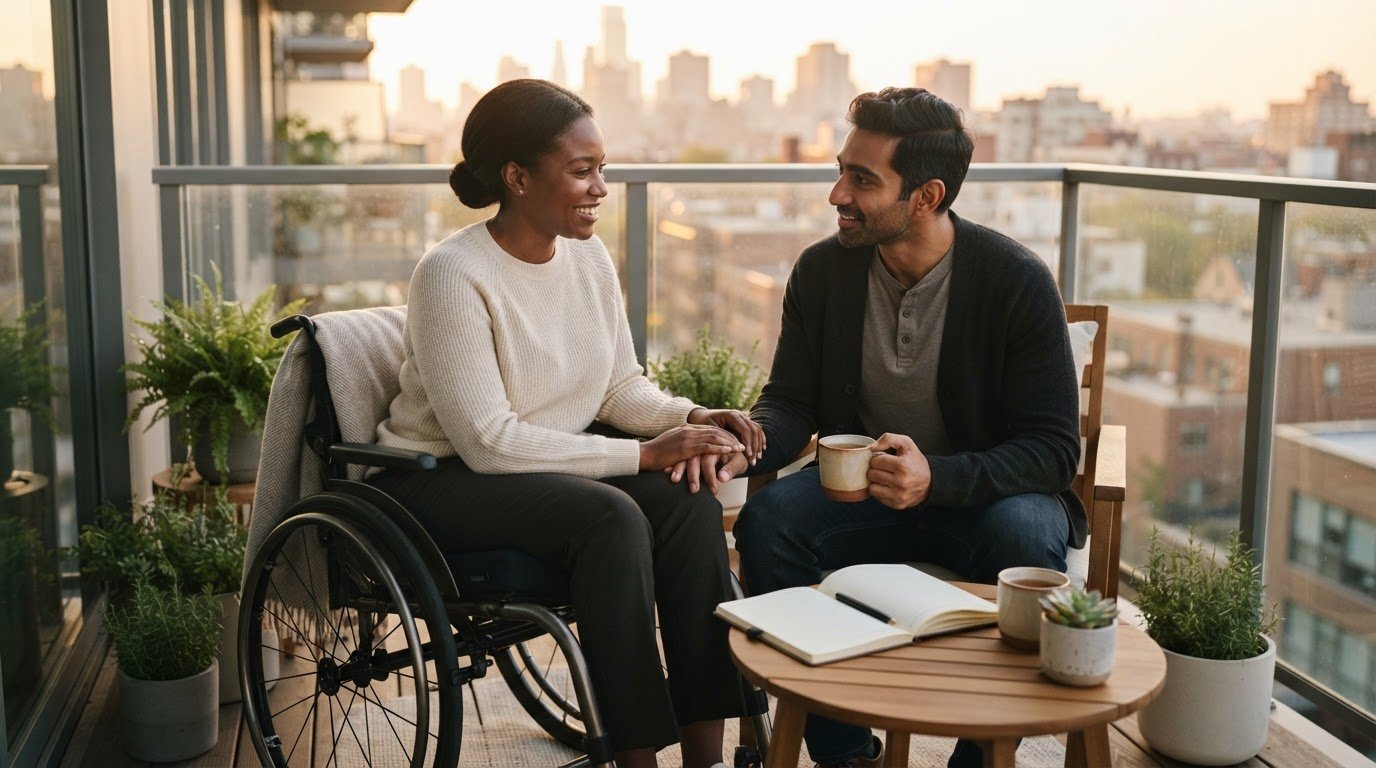
Begin reporting on your own life. Treat your daily experiences with the same professional curiosity a journalist would. Document the small wins, like mastering a new adaptive tool, and the moments of daily grit that define your progress. This shift from being a passive recipient of news to an active reporter of your own journey is transformative. It allows you to connect with a community that values truth over platitudes, moving you from a consumer of stories to an active participant in the broader narrative of disability.
The Role of Media Consumption in Recovery
Media consumption plays a silent but powerful role in recovery. Engaging with I'm Still Rolling Podcast Episodes can function as a form of narrative therapy, offering a space where your internal monologue is reflected in the voices of others. It's vital to filter out media that frames you as broken or "less than." Instead, look for long-form content that respects your intelligence. We provide transcripts for our episodes because we know the value of deep reflection. Reading a transcript allows you to pause, highlight, and sit with a thought in a way that fast-paced media often prevents.
Creating a Roadmap for the Future
Creating a roadmap for the future requires setting goals rooted in realistic optimism. These aren't just medical targets; they're milestones of meaning and endurance. Use a journalistic framework to evaluate your progress. Ask yourself the "who, what, where, when, and why" of your new life to find clarity. Finding the beauty in the "still rolling" philosophy means realizing that the movement itself is the victory. If you're ready to start your own deep dive into these physical disability stories of resilience, you can explore our full library of resources to find the stories that resonate with your journey.
I'm Still Rolling Podcast: Where Journalism Meets the Human Condition
The I'm Still Rolling Podcast was born from a realization that the most profound stories aren't found within the sterile walls of a hospital room, but in the years of complex adaptation that follow. Mike Sugerman and Janice Wright utilize their extensive media backgrounds to peel back the layers of these transitions, moving beyond the clinical data to find the raw, beating heart of the story. By combining professional reporting with their own lived experiences, they create a space where the gravity of life-altering challenges is acknowledged without descending into pity. This unique blend of journalistic rigor and intimacy is what allows them to document physical disability stories of resilience with a depth that superficial media often ignores.
In a world that demands quick answers and disposable content, this platform prioritizes the unhurried deep-dive. Mike and Janice act as both seasoned guides and vulnerable peers, proving that the reporting of one's own life is a vital step in the journey of transformation. This isn't just about recording conversations; it's about applying a structured, logical framework to the messy parts of the human condition. By focusing on the nuances of endurance and the discovery of meaning within struggle, the I'm Still Rolling Podcast serves as a steady, reliable pulse for a community that values truth over platitudes.
The Power of the Long-Form Interview
The 30 to 60 minute format is a deliberate choice designed to reject the "soundbite" culture that often sanitizes the disability experience. These unhurried dialogues allow for a slow build-up of narrative tension and emotional resonance, giving guests the space to explore the subtle shifts in their internal landscapes. This sensory and evocative approach creates a soulful connection that transcends the screen or the speakers. By providing a platform for these expansive conversations, we build a safe harbor for deep reflection, ensuring that the weight and the beauty of each journey are given the professional respect they deserve.
Joining the Resilience Community
Resilience is rarely a solo performance; it's a collaborative effort built on shared truths and collective endurance. You can join this growing community by subscribing to the I'm Still Rolling Podcast Newsletter, where we continue the conversation with ongoing stories of grit and determination. We also recognize the vital importance of brand partnerships in keeping authentic, independent disability media alive and accessible. These collaborations allow us to maintain our commitment to high-level storytelling while providing resources like transcripts and video for full accessibility. We invite you to listen to the latest episodes today and find your place within this narrative of realistic optimism.
The Path Forward: Reclaiming Your Own Narrative
True endurance is rarely found in a sudden moment of triumph; it's built through the steady, unhurried work of reconstructing a life with honesty and grace. We've explored how moving beyond the "bounce back" myth allows for a more authentic evolution, one that values the messy reality of adaptation over the hollow polish of inspiration porn. By treating your own experiences with journalistic rigor, you transform from a passive observer of your struggle into an active participant in your recovery. These physical disability stories of resilience serve as a vital reminder that while the terrain has changed, your capacity for growth remains untouched.
Mike Sugerman and Janice Wright, both award-winning journalists, have created a safe space for these unflinching truths to be told. Their work provides a grounded sense of realistic optimism for anyone navigating life after adversity. It's a journey best traveled with others who understand the weight of the road. Listen to the latest episodes of I'm Still Rolling and find your story. Your evolution is a story still being written, and every small win is a headline worth celebrating. Keep moving forward.
Frequently Asked Questions
What is the difference between resilience and just 'coping' with a disability?
Resilience is an active evolution that integrates loss into a new identity, whereas coping is often a defensive strategy for immediate survival. While coping helps you endure the day, resilience involves a methodical process of finding meaning within the struggle. It requires a shift from simply managing symptoms to reconstructing a life that honors your new physical reality. This transformation is a slow build that moves beyond clinical recovery into deep psychological endurance.
How can I find authentic physical disability stories that aren't 'inspiration porn'?
Authentic physical disability stories of resilience prioritize the messy, unflinching truth of daily life over sanitized triumphs. You can identify them by their focus on the individual’s internal journey and the systemic barriers they face, rather than using the person as a motivational prop. Look for long-form content and interviews where the person with the disability is the lead reporter of their own experience, ensuring the narrative remains grounded and soulful.
Why is storytelling considered a tool for resilience in 2026?
Storytelling acts as a form of narrative therapy by allowing individuals to reframe their trauma as a coherent life history. In 2026, we understand that the stories we tell ourselves are the blueprints for our future growth. By externalizing personal pain through a structured narrative, you can observe your own progress with professional distance. This process validates your grit and provides a roadmap for others navigating similar life-altering transitions.
What role does journalism play in disability advocacy?
Journalism brings a level of professional rigor and authority that moves disability advocacy from personal anecdote to universal truth. It functions as a bold truth-teller, exposing the gap between medical charts and the lived reality of the human condition. By reporting on these experiences with accuracy and empathy, journalists can dismantle harmful tropes and demand systemic changes that reflect the actual needs of the disability community.
How do I start 'reporting' on my own life after a medical trauma?
You start reporting on your own life by documenting your daily experiences with the same curiosity a seasoned journalist would apply to a news story. Use the "who, what, where, when, and why" framework to track small wins and moments of endurance. This methodical approach helps you distance yourself from the judgment of failure and instead focus on the factual progress of your own unique evolution.
Can listening to podcasts actually help with the emotional impact of disability?
Listening to long-form podcasts can significantly mitigate the isolation often felt after a life-altering diagnosis by creating a safe space for reflection. These unhurried conversations offer a soulful connection that a quick soundbite cannot provide. Hearing others discuss their hardships with realistic optimism helps you realize that your emotional response is a valid part of the human journey, not a sign of being broken.
Where can I find stories specifically about spinal cord injury recovery?
You can find physical disability stories of resilience focused on spinal cord injury recovery within the specialized episodes of the I'm Still Rolling podcast. These deep dives explore the patterns of adaptation that occur when clinical data meets the reality of the real world. By focusing on the sensory details of the recovery process, these stories offer a practical and emotional roadmap for those navigating the first six months of a new diagnosis.
How does the I'm Still Rolling podcast ensure its stories are authentic?
I'm Still Rolling ensures authenticity by utilizing the professional media backgrounds of hosts Mike Sugerman and Janice Wright to conduct unhurried, long-form interviews. They prioritize raw, lived intimacy over superficial cheerfulness, allowing guests the time to explore the complex parts of their journey. This commitment to journalistic rigor ensures that every story is a platform for truth rather than a prop for inspiration porn.
Comments