Creating a New Identity After Disability and Finding Meaning
Disability doesn’t erase identity; it can change how a person understands and describes themselves. Disability identity is a person’s sense of self in relation to disability. Creating a new identity after disability can mean making room for that understanding alongside the person they were before. There’s no single path, and not everyone who could be described as disabled uses that identity for themselves.
If your sense of who you are feels unsettled, you don’t have to find one label or a simple lesson in what happened. Disability can shape daily life, relationships, and belonging while leaving room for the other parts of you that still matter.
This article explores how disability identity can grow through personal experience, connection with disabled communities, and the language you choose for yourself. It also considers why experiences differ, how identity can change over time, and where meaning may emerge without requiring you to feel grateful for hardship or define yourself by disability alone.
Table of Contents
Disability as one aspect of identity
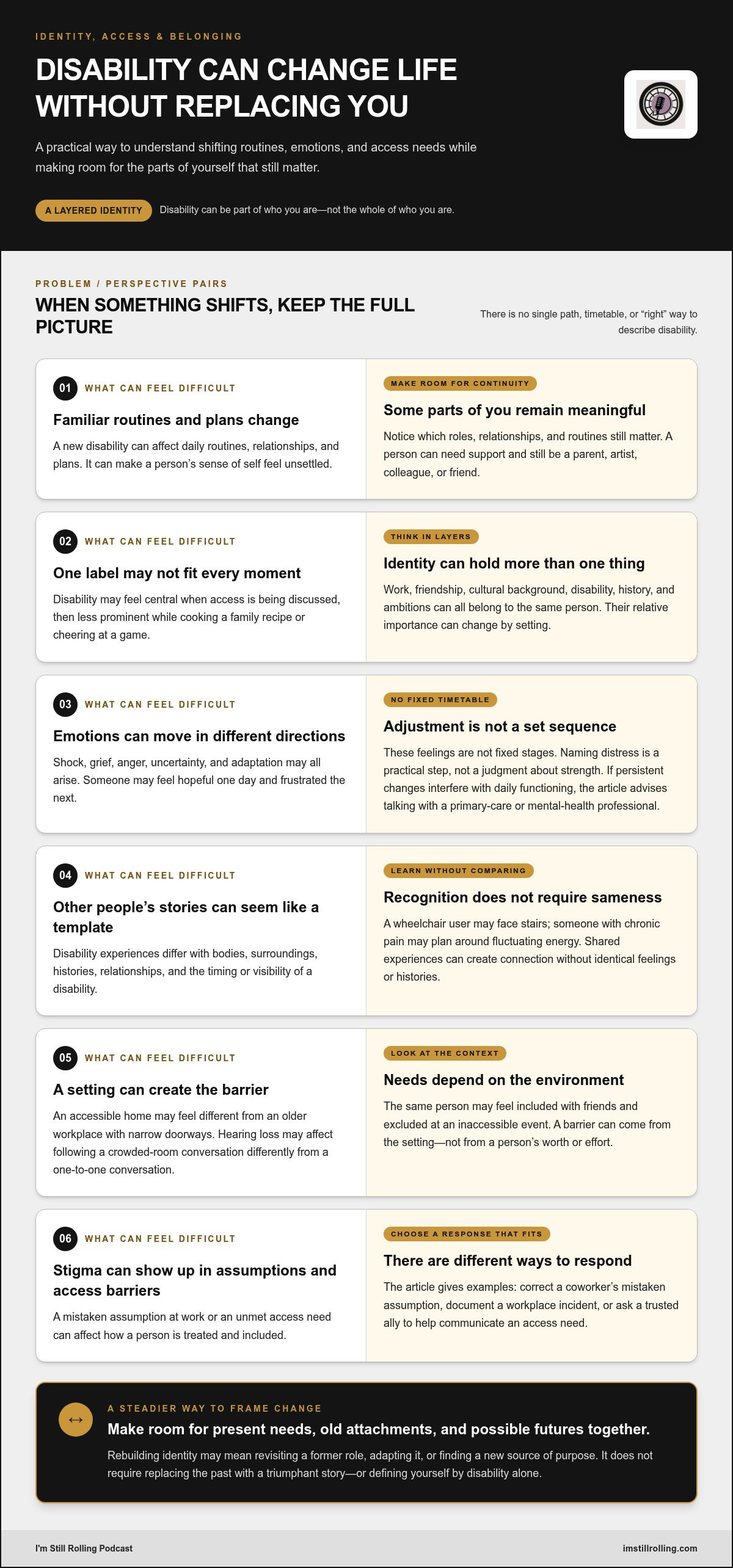
A new disability can change familiar routines, relationships, and plans, but it doesn’t make every part of a person new. A work role, friendship, cultural background, and disability can all belong to the same identity.
Disability’s Place in Self-Concept
Disability’s place in self-concept is how a person understands disability as one part of who they are. That part may feel central when discussing access, yet less prominent while cooking a family recipe or cheering at a game. Seeing identity as layered leaves room for change without requiring someone to discard their history, ambitions, or relationships. A person can need support and still be a parent, artist, colleague, or friend.
Rebuilding Identity After Disability
Rebuilding identity means finding ways to understand yourself as life, access needs, or abilities change. Someone might revisit a former role, adapt it, or discover a new source of purpose. A musician with limited hand movement, for instance, may explore different instruments or ways to make music. Notice which routines and relationships still feel meaningful, name what has changed, and try new choices at a manageable pace. This isn’t a demand to replace the past with a triumphant story. It’s a process of making room for present needs, old attachments, and possible futures together.
Emotional Adjustment Stages
Emotional adjustment describes feelings that can follow disability, including shock, grief, anger, uncertainty, and periods of adaptation. These aren’t fixed stages or a timetable. Someone may feel hopeful one day and frustrated the next, especially when practical barriers arise. Persistent low mood, loss of interest, disrupted sleep, or difficulty managing daily life can be warning signs of depression or trauma-related distress. If these changes interfere with daily functioning, talk with a primary-care or mental-health professional. If there’s immediate danger, seek emergency help. Naming distress is a practical step, not a judgment about someone’s strength.
Responding to Stigma and Discrimination
Responding to stigma means identifying unfair assumptions or barriers and deciding how to address them. A person can correct a coworker’s mistaken assumption, document a workplace incident, or ask a trusted ally to help communicate an access need. In the United States, workplace accommodations may include adjusted schedules, accessible equipment, or changes to how information is shared. State vocational rehabilitation programs can help with employment counseling, skills training, assistive technology, and job placement. The U.S. Department of Labor published a final rule modifying regulations implementing Section 503 of the Rehabilitation Act of 1973 on August 21, 2026. That regulatory change is distinct from the everyday choices people make to describe themselves and respond to stigma.
Diverse experiences among disabled people
There is no single disabled experience because disability interacts with a person’s body, surroundings, history, and relationships. A wheelchair user may encounter stairs as an immediate barrier, while someone with chronic pain may need to plan around fluctuating energy. Both experiences are real, but neither represents everyone else. Some people who could be classified as having a disability don’t identify as disabled. Their choice may reflect personal history, understanding, or how disability fits into their self-concept.
The timing and visibility of a disability can shape daily life. Someone who acquires a disability after an accident may compare present routines with familiar ones, while a person with a lifelong disability may have built access needs into everyday habits. A disability others can readily see may prompt unwanted attention or assumptions. A non-apparent disability, such as one affecting stamina or concentration, can bring different pressures, including deciding whether to explain a need. These contrasts don’t establish which experience is harder; they show why broad assumptions miss important details.
Access also depends on context. A person who can move through an accessible home may face obstacles in an older workplace with narrow doorways. Someone with hearing loss might follow a one-to-one conversation but miss information in a crowded room. The same person may feel included among friends and excluded at an inaccessible event. These examples shift attention from an imagined “typical” disabled person to the specific interaction between an individual and their environment. That distinction matters when interpreting someone’s needs: a barrier may come from the setting, not from a person’s worth or effort.
Culture, language, family expectations, and work add further dimensions. Someone may value independence while also relying on family support, or hold a demanding job while managing access needs privately. Disability may influence one relationship or decision without becoming a person’s leading concern in every setting. Asking what matters to someone now is more useful than assuming their priorities based on a diagnosis, mobility aid, or appearance. It also lets someone describe their experience without being asked to represent an entire group.
For someone adapting to a new disability, other people’s stories can offer recognition, but they aren’t templates. Notice which details resonate, such as negotiating access at work, changing a daily routine, or deciding how to describe a disability. Treat differences as information, not contradictions. You can listen and learn while choosing a different label or approach. Shared experiences can create connection without requiring identical feelings, histories, or conclusions.
Individual and community connections
Disability identity can develop through private reflection and relationships with others. A trusted conversation, peer group, or shared activity can help someone consider what belonging means to them.
Therapy and Support Groups
Therapy and support groups offer different settings for exploring adjustment and disability identity. A therapist can help someone work through grief, changing roles, or difficult conversations, while a peer group connects people who understand disability through lived experience. These options matter because personal reflection and shared experience can meet different needs.
Support that may help includes individual counseling, family therapy, and peer-led groups focused on disability or a particular condition. Someone adjusting to a new mobility aid, for example, might use counseling to discuss frustration, then join a group to hear how others handle travel or social plans. The aim isn’t to follow someone else’s path. It’s to find language, practical ideas, or a space to speak honestly.
To choose a useful format, consider what feels manageable: a private conversation, small group, or online discussion. You may want a facilitator who understands disability, an accessible meeting space, captions, or the option to listen before speaking. If one group feels uncomfortable, that doesn’t determine whether every group will. The right fit depends on the topic, access, group culture, and your goals.
Therapy and peer support aren’t interchangeable. A therapist can offer structured emotional support, while a peer group creates mutual recognition and everyday exchange. You might use both, or neither, depending on what you want. Start by identifying the need: processing a painful change, learning how others navigate a barrier, or meeting people without explaining every detail.
Support from Family and Friends
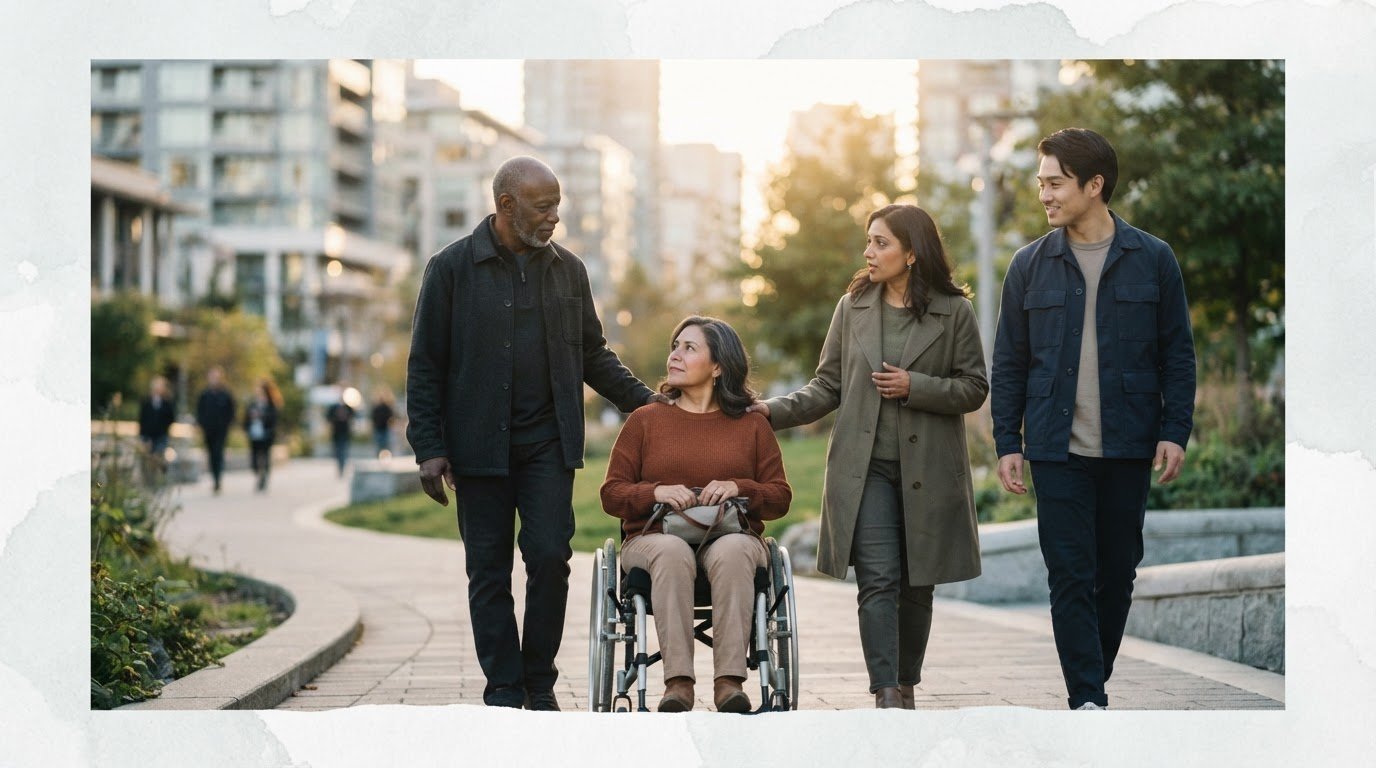
Family, friends, and caregivers can support identity changes by listening, respecting decisions, and offering help without taking control. This helps preserve a person’s agency as routines, roles, or access needs change.
A practical first step is asking, “Would you like help, or would you rather handle this yourself?” A friend, for example, can offer transportation to a gathering while letting the person decide whether to accept. Relatives can discuss household changes together instead of assuming what someone can or cannot do. Caregivers can also protect private time and encourage relationships beyond care tasks.
Supportive people should avoid treating a diagnosis as a complete description of someone. Keep inviting a friend to a book club, family meal, or shared hobby, then work together on access details. If plans change, asking what would make participation easier is more respectful than deciding the person won’t want to attend.
Honest conversations help when familiar roles shift. A parent may need different help with school pickup; a partner may need to renegotiate household tasks. Naming the specific change, listening to each person’s concerns, and agreeing on a workable arrangement can reduce unspoken resentment. The disabled person remains part of those decisions, not merely their subject.
Meaning of disability identity
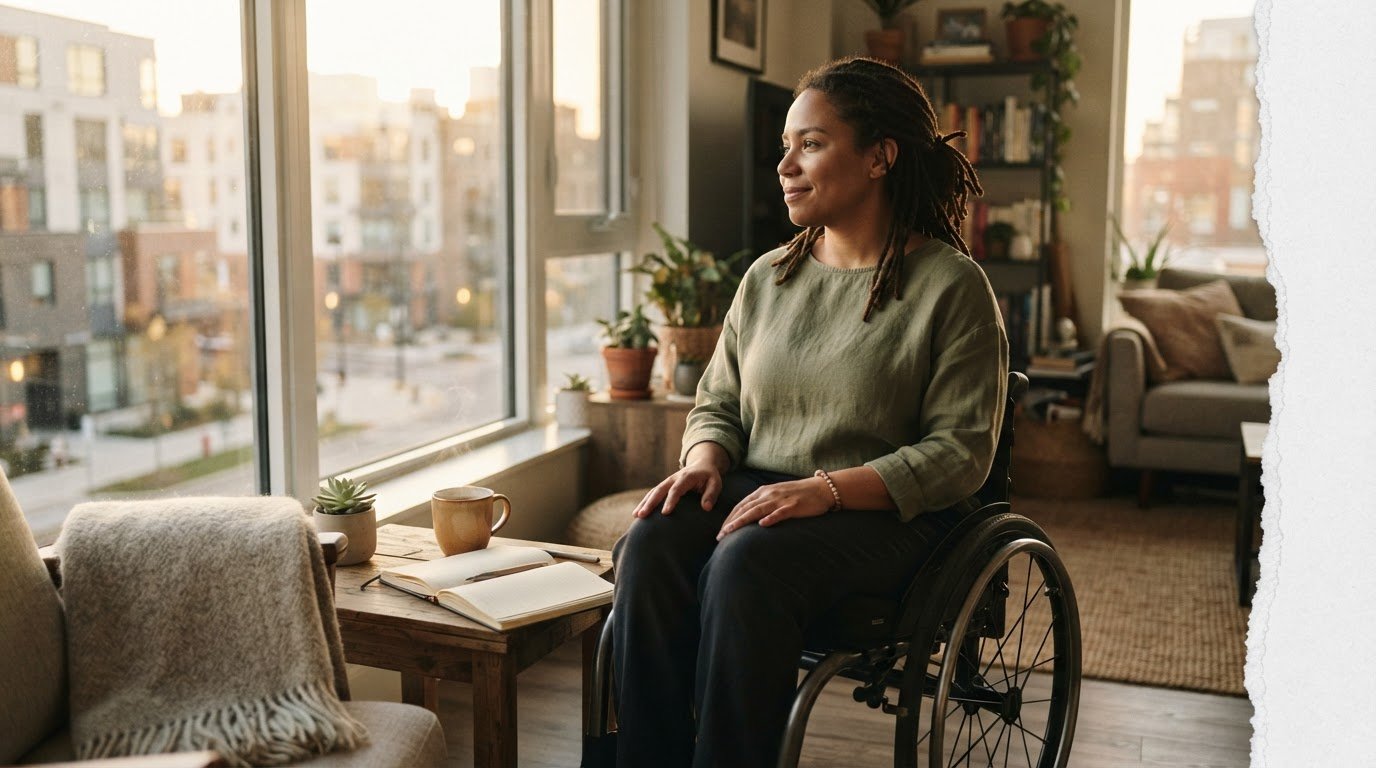
Disability identity describes a person’s sense of self in relation to disability. After a life-changing disability, someone can set new goals by identifying what matters now and choosing actions that support those values. Creating a new identity after disability can include setting goals that reflect what matters to you now. Meaning may come from relationships, creative work, advocacy, rest, or ordinary routines, not from treating hardship as a gift.
A useful starting point is to separate what changed from what still matters. Someone who loved gardening before an injury may no longer manage the same raised beds, but could adapt the space, grow herbs indoors, or share gardening with a neighbor. The activity may change, while curiosity, care for living things, and time outdoors remain meaningful. This distinction offers something concrete to carry forward without denying loss.
Goals can begin with values rather than an old timetable. Write down a few priorities, such as connection, learning, contribution, or independence, then choose one small action linked to each. Someone who values friendship might plan a short accessible visit rather than recreate a full day out. Someone who values learning could explore an audio course or ask a library about accessible formats. The goal is participation that fits current circumstances, not proof of productivity.
Some goals need redesigning. If returning to a former job isn’t workable in its previous form, identify the parts that mattered: mentoring colleagues, solving problems, or creating something. Those elements can point toward a different role or personal project. Breaking a large aim into smaller steps also helps clarify what is feasible, what requires support, and what no longer feels important. Creating a new identity after disability can include deciding which ambitions still belong and which can change.
Meaning can coexist with grief, frustration, and uncertainty. Someone may feel proud of learning a new route through town while mourning the spontaneity they once had. Both responses can be true, and neither cancels the other. A journal can help capture this complexity: record a difficult moment, something that helped, and a choice worth revisiting. Over time, those notes may reveal patterns and inform goals without demanding a neat recovery story.
Identity also grows through contribution, not only achievement. Someone may share practical knowledge with a friend, care for a pet, make art, or take part in a community project. These acts can express generosity, humor, skill, or commitment, even when they look different from earlier ambitions. Choosing which roles to keep, adapt, or release helps make identity an active part of life rather than a verdict imposed by a diagnosis.
Review your goals when circumstances or priorities shift. Ask: Does this still matter to me? What would make it more accessible? Is there a smaller version I want to try? Someone who misses live music, for example, might begin with a seated local performance, then decide whether larger venues feel worthwhile. Your answers can change. Changing direction is information, not failure.
Reflecting on identity and language
Words can shape how disability is understood, but no single phrase fits everyone. Some people prefer identity-first language, such as “disabled person”; others choose person-first language, such as “person with a disability.” Your preference can be personal, cultural, or shaped by context. Paying attention to those differences helps you describe yourself without treating one choice as correct for everyone.
Try each phrase privately and notice how it feels. Writing “I am disabled” in a journal may feel direct and affirming; writing “I have a disability” may feel more comfortable or precise. You might prefer a specific description, such as “I use a wheelchair” or “I live with chronic pain.” The useful question isn’t which phrase sounds best to others, but which words reflect your experience and priorities.
Language can change across settings, too. Someone may use “disabled” with close friends, explain a specific access need at work, and share less in a new social setting. That doesn’t make their identity less genuine; conversations have different purposes. At a workplace meeting, “I need captions to follow this presentation” may communicate a practical request more clearly than a broad label.
Notice who is speaking and what the conversation requires. A person describing their own experience can choose their terms; a friend or colleague shouldn’t assume those terms apply to someone else. If you’re unsure how someone describes themselves, listen to the language they use or ask respectfully: “What wording do you prefer?” A brief question can prevent an unwanted label from taking hold.
Reflection can help distinguish your own preference from language absorbed through family, school, or media. Write down a phrase you use, where you learned it, and whether it still feels right. Then try different wording in a low-pressure conversation. You can revise your choice later; a label doesn’t have to be a permanent declaration or explain your whole life.
When discussing another person, let their own words lead. Avoid turning a diagnosis into a nickname or reducing someone to an access need. If you make a mistake, correct the wording simply and continue the conversation. This keeps the focus on respect instead of asking the other person to comfort you.
Stories told in disabled people’s own words can help you hear how varied these choices are. Listen to personal disability stories and notice how each speaker describes their experience in their own terms.
I'm Still Rolling Podcast: I'm Still Rolling Podcast Episodes
I'm Still Rolling Podcast offers honest conversations about how people make sense of disability, change, and life after adversity. Episodes feature guests sharing lived experiences, including complicated moments that don’t fit a neat story of resilience. Listening may offer company as you reflect, or help you consider your own identity through another person’s words, without prescribing what it should become.
For a quieter way to stay connected, the I'm Still Rolling Newsletter offers another point of engagement, while Podcast Transcripts let you read episode conversations. These stories don’t replace personal support; they offer perspectives to consider at your own pace.
If you’d like to explore these conversations, visit imstillrolling.com.
Let your next chapter take shape
You don’t have to settle the meaning of disability all at once. Carry one question into the coming days: what do you want more room for, what kind of support feels right, or which words describe you today? Write down an honest answer, even if it changes later. Creating a new identity after disability may be less about finding a final definition and more about making choices that reflect the life you’re living now.
If hearing another person’s experience helps you think, explore I'm Still Rolling Podcast Episodes. The I'm Still Rolling Newsletter offers another way to stay connected, and Podcast Transcripts let you read conversations at your own pace. Take what resonates and leave what doesn’t. Explore I'm Still Rolling Podcast when you’re ready to continue.
Your next step can be small, personal, and entirely yours. Meaning can grow from there.
Frequently Asked Questions
What Is Disability Identity?
Disability identity is the meaning a person gives to disability as part of their understanding of themselves. It differs from a diagnosis, which describes a medical or functional condition, and doesn’t require someone to adopt a particular label. Two people with the same diagnosis, for example, may relate to disability differently. Explore what the term means to you by noticing when it feels useful, limiting, affirming, or simply irrelevant.
What’s Changing?
After disability, change may involve more than physical ability. A person might reconsider how they spend energy, approach privacy, share responsibilities, or imagine future plans. Someone who once accepted every invitation, for example, may now choose gatherings based on transportation, fatigue, or sensory demands. Recognizing these specific shifts can make them easier to discuss. It also helps separate a changed routine from a lost sense of worth or a fixed future.
How Can Disabled People Find Community and Connect With Disability Culture?
Start with a shared interest or access need, rather than expecting one group to represent all disability culture. Look for local arts events, online discussions, disability-led writing, or gatherings organized around a specific condition or activity. Before joining, consider formats that work for you, such as captions or remote participation. You can begin by listening, then contribute when comfortable. Disability culture includes varied histories, humor, creative work, and ways of challenging barriers.

Comments